


-

Add: HeBei ShengShi HongBang Cellulose Technology CO.,LTD.
-

Email
13180486930@163.com -

CONTACT US
+86 13180486930
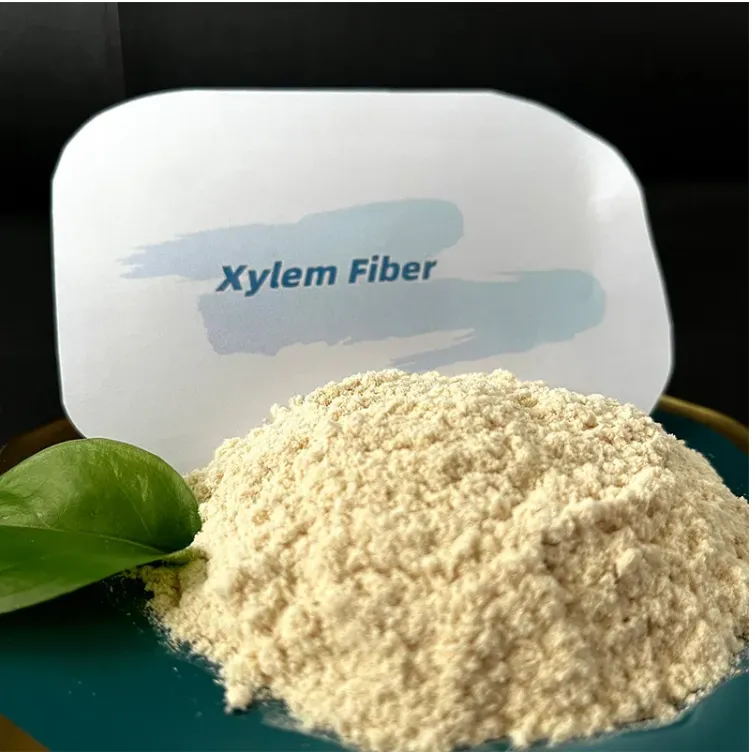
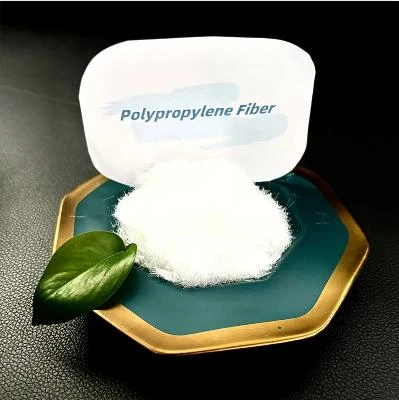
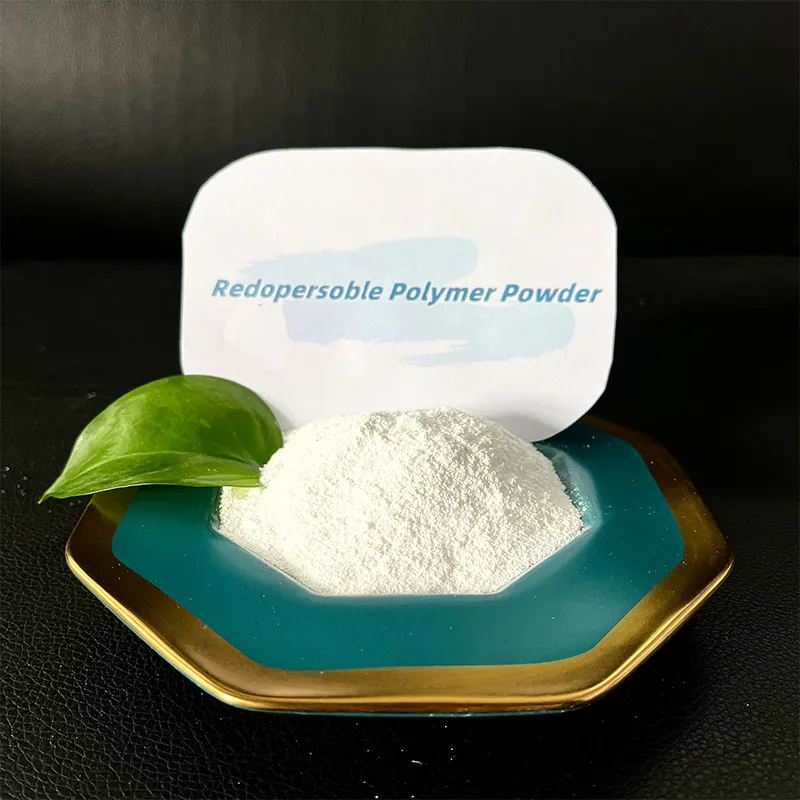



The Cost of Polypropylene Fiber An Overview Polypropylene fiber, derived from the polymerization of propylene monomers, is a synthetic material that has been gaining traction in various industries due to its unique properties and cost-effectiveness. As the demand for durable and versatile materials rises, so does interest in understanding the cost implications associated with polypropylene fiber. This article aims to explore the factors affecting the cost of polypropylene fiber, its applications, and its overall economic impact. Understanding Polypropylene Fiber Polypropylene is one of the most widely used plastics in the world. It is recognized for its lightweight nature, chemical resistance, moisture-wicking capabilities, and structural durability. These characteristics make it an excellent choice for a variety of applications, including textiles, automotive components, and packaging materials. The resulting fiber is soft, resistant to staining, and can be produced in a variety of colors, further enhancing its usability in consumer products. Factors Influencing the Cost 1. Raw Material Prices The primary factor determining the cost of polypropylene fiber is the price of propylene, the primary raw material used in its production. Fluctuations in oil prices significantly impact the cost of propylene, as it is derived from fossil fuels. As global oil prices rise or fall, so too does the cost of polypropylene fiber. 2. Production Technology The method of production also affects costs. Advances in manufacturing technologies can streamline production processes and reduce costs. For instance, the implementation of more efficient machinery or environmentally friendly production methods can yield lower operational costs, which may be passed on to consumers. 3. Supply and Demand Like any commodity, the cost of polypropylene fiber is subject to the laws of supply and demand. In periods of high demand—such as during the surge in production of protective equipment during the COVID-19 pandemic—prices may increase sharply. Conversely, surplus production or a decline in demand can lead to lower prices. costo de fibra de polipropileno 4. Geopolitical Factors Political stability in oil-producing regions can affect the supply and price of propylene. Trade tariffs, sanctions, or conflicts can disrupt supply chains, leading to increased material costs, which in turn influence the cost of polypropylene fiber. 5. Market Competition The competitiveness of the polypropylene market also plays a vital role. The entry of new suppliers can drive prices down, while monopolistic conditions can lead to higher prices. The global nature of the fiber market means that competition from manufacturers in different regions can also affect local pricing. Applications of Polypropylene Fiber The versatility of polypropylene fiber allows for its use in numerous applications. In the textile industry, it is common in the production of carpets, upholstery, and outdoor fabrics due to its resistance to moisture and mildew. The automotive sector utilizes polypropylene fiber for interior components, as it is lightweight and aids in fuel efficiency. Furthermore, polypropylene fibers are utilized in geotextiles for soil stabilization, erosion control, and drainage systems. Economic Impact The economic implications of polypropylene fiber production extend beyond its cost. It supports a range of industries, creating jobs and stimulating economic growth. As manufacturers adapt to changing market dynamics and consumer preferences, innovative uses for polypropylene fiber continue to emerge, driving further demand. In conclusion, the cost of polypropylene fiber is influenced by a variety of factors including raw material prices, production technology, supply and demand dynamics, geopolitical conditions, and market competition. Its diverse applications and economic implications make it a significant player in the manufacturing landscape. As industries continue to seek sustainable and efficient materials, understanding these cost dynamics will be crucial for businesses and consumers alike in making informed decisions. The future of polypropylene fiber is undoubtedly tied to evolving market conditions and technological advancements, promising ongoing relevance in a rapidly changing world.
- 40000tons

Production
- 20+years

Experience
- 5000+㎡

Acreage

-
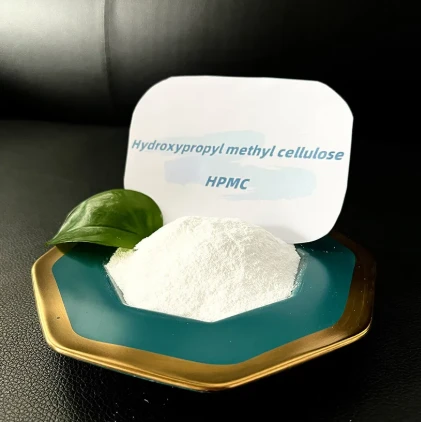
Hydroxypropyl methylcellulose , commonly known as HPMC, is a versatile compound extensively utilized in various industries. Its remarkable properties make it an essential ingredient in numerous products, offering significant functional benefits. In the realm of pharmaceuticals, HPMC serves as a crucial excipient, enhancing the quality and efficacy of medicinal products. It acts as a film-forming agent, providing a protective coating that improves the stability of active ingredients. This function is particularly vital for controlled-release formulations, where HPMC's ability to regulate the release rate ensures optimal therapeutic outcomes. Furthermore, its high solubility and bio-adhesive properties facilitate efficient drug delivery, maximizing patient compliance and treatment effectiveness. HPMC also plays a pivotal role in the food industry, where it functions as a texturizer, emulsifier, and stabilizer. It is revered for its ability to enhance the mouthfeel and consistency of various food products, such as dairy alternatives, sauces, and baked goods. The compound's thermal gelation property is crucial in creating a desirable texture, mimicking the palatability of full-fat versions with a healthier twist. Moreover, HPMC is an invaluable asset in gluten-free formulations, replicating the structural integrity gluten provides in conventional doughs. hydroxypropyl methylcellulose function In the construction sector, HPMC is indispensable in the production of high-performance building materials. It functions as a thickener and water retention agent in cement-based products, improving workability and extending open time during application. This results in enhanced adhesion, minimized cracking, and superior overall durability of the final structure. Its effective binding properties and excellent compatibility with other materials facilitate the creation of advanced, eco-friendly construction solutions. The cosmetic industry also greatly benefits from HPMC’s functional attributes. It is widely used as a film former and thickener in various personal care products like shampoos, lotions, and makeup. HPMC enhances product stability, consistency, and feel, while also providing a protective hydrating layer on the skin or hair. Its hypoallergenic nature and biocompatibility make it a preferred choice for formulations intended for sensitive skin. In summary, hydroxypropyl methylcellulose's unique properties enable it to perform multiple critical functions across diverse industries. Its versatility ensures it remains an invaluable component in improving the quality, performance, and consumer appeal of numerous products. By consistently delivering high-quality results, HPMC not only exudes expertise in its applications but also fortifies trust in its effectiveness and safety for both industry professionals and end-users alike.
-

Hydroxypropyl Methylcellulose, commonly referred to by its INCI name HPMC, is an ingredient widely used in various industries, including pharmaceuticals, food, and personal care products. This versatile compound combines expertise in formulation science with practical experience in product development, making it an authoritative choice for innovators seeking reliable performance and superior results. HPMC is prized for its multifunctionality, exhibiting properties that enhance viscosity, stability, and texture in numerous applications. In the pharmaceutical industry, for instance , HPMC is a favorite among formulators due to its ability to control drug release. The polymer's film-forming capabilities provide an effective medium for encapsulating active pharmaceutical ingredients (APIs), ensuring that medication is delivered at a consistent rate. This controlled delivery not only enhances patient compliance but also optimizes therapeutic outcomes. The personal care sector also benefits from the expertise embedded in HPMC. Its thickening properties are leveraged in a variety of skincare and hair care products, where it acts as a rheology modifier. By adjusting the viscosity of formulations, HPMC helps stabilize emulsions, preventing the separation of oil and water phases, which enhances product shelf life and performance. Moreover, its non-ionic nature ensures compatibility with a wide range of ingredients, allowing for creativity and flexibility in developing innovative products. From a trustworthiness perspective, HPMC's safety profile stands out. Extensively studied and documented, it is recognized as non-toxic and hypoallergenic, aligning with consumer demands for safe and gentle ingredients. This translates into reassurance for both brands and consumers, knowing that the products they use are not only effective but also safe for regular use. Regulatory bodies worldwide, including the FDA and EFSA, have evaluated HPMC, endorsing its safety and efficacy across various applications. hpmc inci name Additionally, HPMC's role in the food industry underscores its versatility and authoritative presence. As a food additive, it acts as an emulsifier, thickener, and stabilizer, contributing to the texture and quality of a wide array of products from bakery to dairy. This multifunctional capability reduces the need for multiple additives, streamlining formulation processes and promoting cleaner label options, which is increasingly important for health-conscious consumers. Drawing from extensive scientific research and practical manufacturing experience, HPMC manufacturers have honed processes to produce high-quality, consistent material. This reliability in supply and consistency in performance are crucial factors in sectors where precision and quality are paramount. Furthermore, ongoing innovations aim to enhance the sustainability of HPMC production, focusing on environmentally friendly processes and reducing carbon footprints, aligning with global sustainability goals. For any business considering the inclusion of HPMC in their products, partnering with a reputable supplier is imperative. Expertise in formulation, combined with comprehensive quality control measures, ensures that the HPMC sourced meets all necessary standards and specifications. Utilizing HPMC not only enhances product performance but also positions brands as leaders in quality and innovation, leveraging the trust consumers place in well-formulated products. In conclusion, Hydroxypropyl Methylcellulose stands as a testament to the confluence of experience, expertise, authority, and trustworthiness. Its widespread application and proven benefits across multiple industries make it an invaluable ingredient for formulators and product developers aiming to meet consumer demands for effective, safe, and sustainable products. By leveraging the unique properties of HPMC, brands can achieve superior results, ensuring their offerings remain competitive in an ever-evolving marketplace.
advantages
-

200000 Viscosities
Excellent product
We can produce pure products up to 200,000 viscosities
-

40000 tons
High yield
We don’t stop production all year round, and the annual output can reach 40,000 tons
-

24 hours
Quality service
We provide 24-hours online reception service, welcome to consult at any time
———— Inquiry Form
Schedule A services

- epekto_ng_polypropylene_fiber_sa_kongkreto
Oct . 25, 2025
In the ever-evolving landscape of manufacturing, rubber powder has emerged as a vital component, esp -
 hpmc_in_eye_drops
Oct . 25, 2025
L’idrossipropilmetilcellulosa (HPMC) è un composto polimerico che trova un ampio utilizzo in diversi -
 difference_between_hpmc_k_and_e_series
Oct . 25, 2025
In the ever-evolving world of construction materials, HPMC cellulose has emerged as an essential add


